
Choose an AI service. ChatGPT and Perplexity submit the summary request, Grok opens it ready to send, and other services open with the request copied as a fallback. If an AI cannot open the page, copy the article text and paste it into the chat.
What is anchor text?
Anchor text is the visible, clickable wording of a link. It tells a reader what to expect at the destination and gives search engines context about the linked page. A useful link connects the current question with relevant information.
Write links that explain their destination
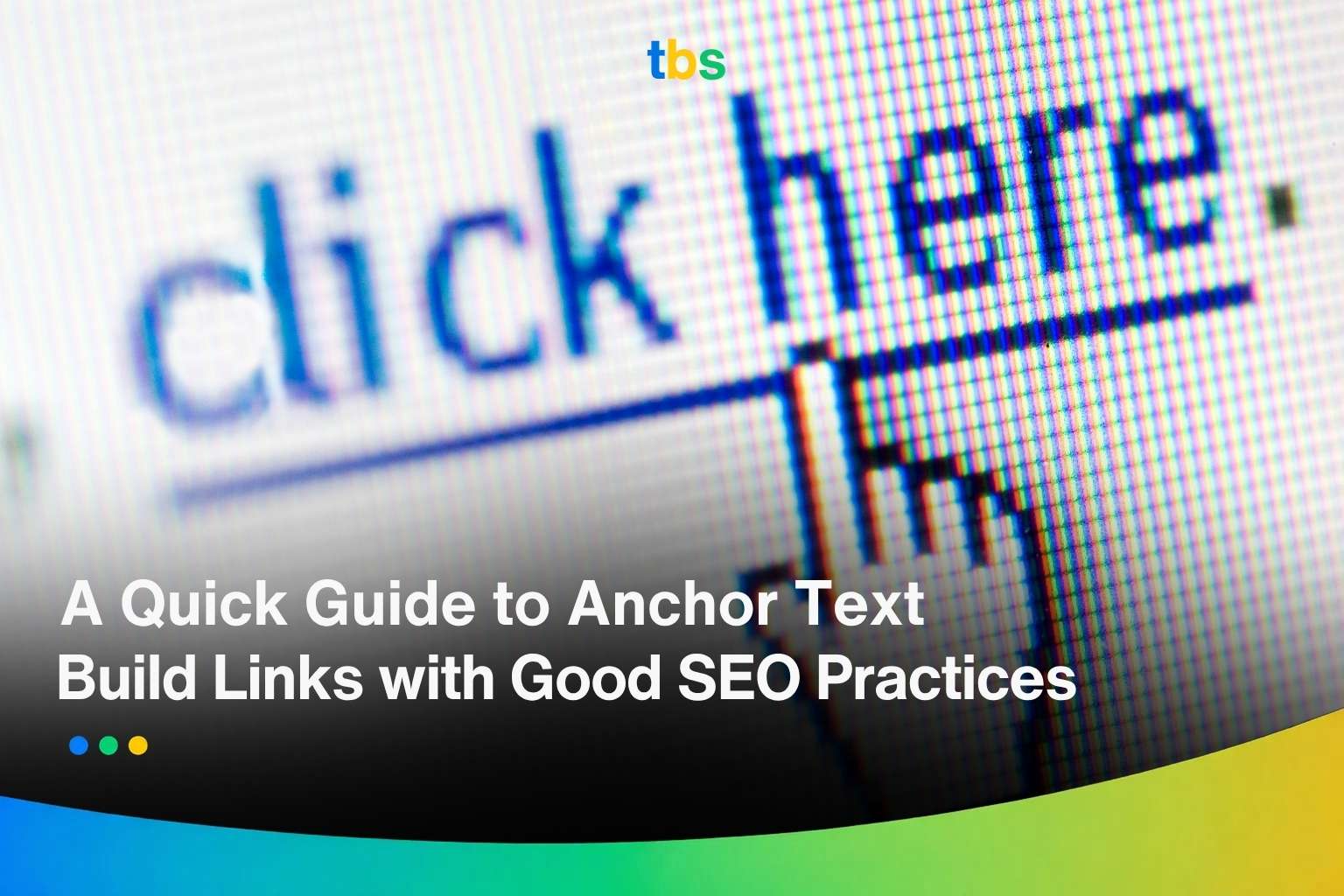
Choose concise, descriptive wording that fits the sentence. A phrase such as “technical SEO audit” is more useful than “click here” when the destination explains that service. Do not add a keyword that the linked page does not address.
Avoid forcing identical keyword-heavy links into every paragraph. The wording should serve the reader and make sense in context. Use ordinary HTML links with a valid href so they can be followed.
Anchor text in HTML: a worked example
An anchor is simply the text between the opening and closing <a> tags. The href holds the destination and the visible text is the anchor:
<a href="https://example.com/technical-seo-audit/">technical SEO audit</a>Read it as two joined parts:
- href = where the link goes.
- anchor text = the words the reader sees and clicks.
Compare a weak and a strong version:
<!-- weak: no context for reader or crawler -->
<a href="/services/seo/">click here</a>

<!-- strong: describes the destination -->
<a href="/services/seo/">SEO services for growing brands</a>
Both go to the same page. The second tells the reader and the search engine what to expect.
Use internal links where they help navigation
Link an article to the relevant service, definition or next step. Check that the destination is current and that its title and content match the promise made by the link.
When a page moves, update internal links to the new canonical URL. A redirect can preserve access, but linking directly avoids an unnecessary extra hop.
The words around the link matter too (n-grams)
Modern search engines do not read anchor text in isolation. The words immediately around the link, and the sequence of terms in the rest of the sentence, also carry meaning. These adjacent word groupings are called n-grams, and they help a crawler work out whether the link genuinely fits the surrounding topic.
In practice, this means the anchor and the sentence around it should point at the same idea. If the sentence is about technical website performance but the link jumps to a social media page, the mismatch weakens the signal even when the anchor wording itself looks fine. Align the whole sentence with the destination, not just the three or four words you make clickable.
Anchor text and the context around it are the foundation of backlinks, which remain one of the strongest off-page ranking signals. If you want the wider picture, that guide covers how links build authority across a site.
This also explains why keyword-stuffing anchor text backfires. Repeating the same keyword in the link and every surrounding word looks unnatural and adds no extra meaning. Clear, natural sentences that describe the destination, with the anchor embedded where it fits, are what the surrounding context rewards.
Treat external and sponsored links appropriately
Reference reliable sources for important claims. Identify paid or sponsored relationships and apply the appropriate link attributes. Do not buy keyword-rich links to manipulate rankings.
Review links during content updates. Broken destinations, misleading anchors and old URLs can undermine an otherwise useful article. There is no universal percentage of exact-match anchor text that every website must achieve.
Check anchor text for modern search and accessibility
Clear link wording also supports accessibility and AI-assisted search systems because it describes the relationship between pages without relying on surrounding text alone. Keep links specific, make them keyboard-accessible, and avoid placing several identical links beside one another when they lead to different destinations.
For important pages, review the surrounding headings, page title, structured data and internal links together. These signals should describe the same topic, while the page should still answer the reader’s question directly rather than repeating keywords.
Put the advice into practice
Start with a small set of pages or campaigns, record the changes and compare results over a useful period. If you need help with implementation, explore TBS Marketing services or discuss your project with the team.
Official guidance and further reading
Sign in to share. Facebook and LinkedIn need the article page to be publicly accessible to show its preview. If an AI cannot open the page, copy the article text from the section above.