Choose an AI service. ChatGPT and Perplexity submit the summary request, Grok opens it ready to send, and other services open with the request copied as a fallback. If an AI cannot open the page, copy the article text and paste it into the chat.
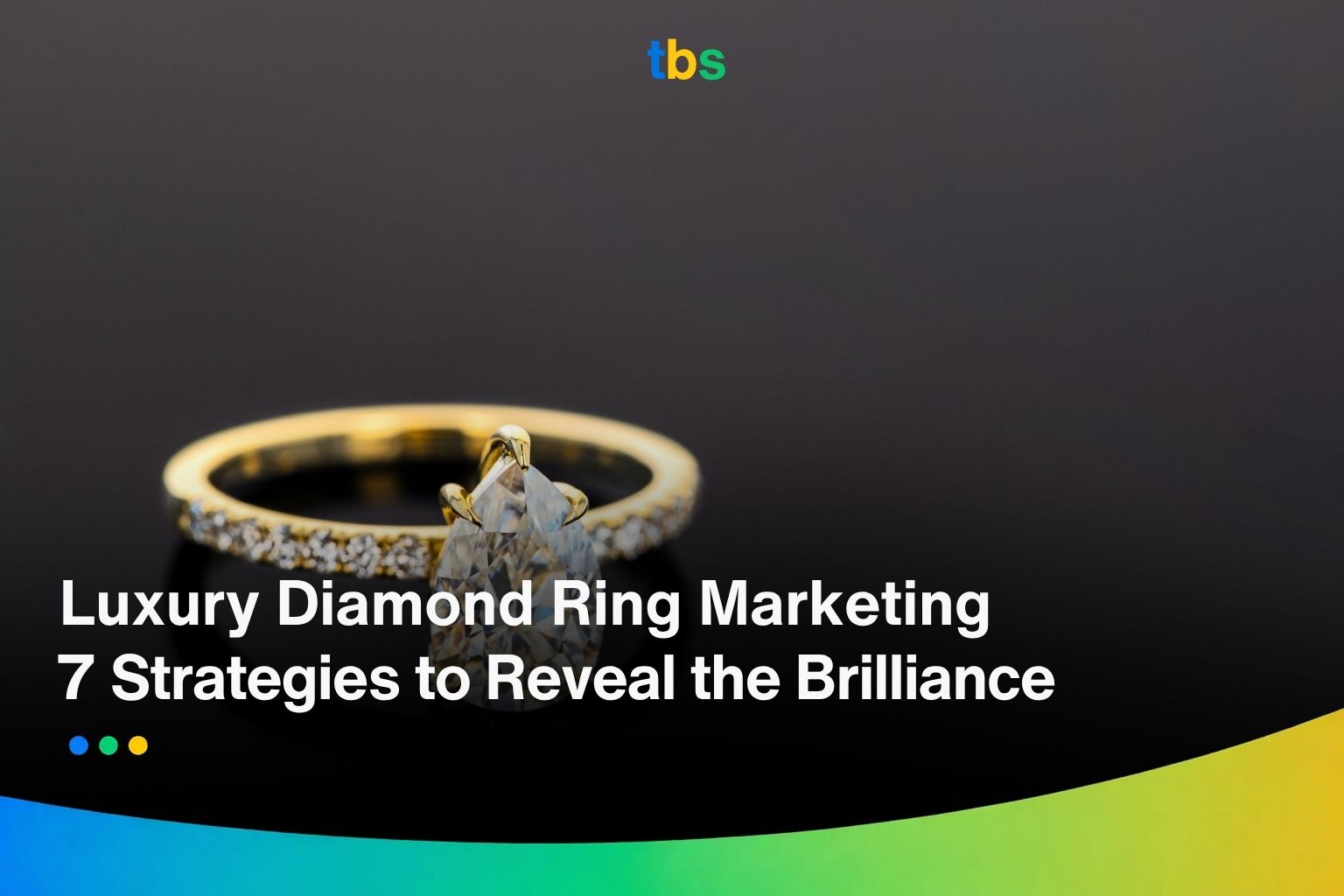
1. Showcase Jewelry Craftsmanship With High-Impact Photography and Video
How can macro imagery, studio footage, and lifestyle visuals reveal quality?
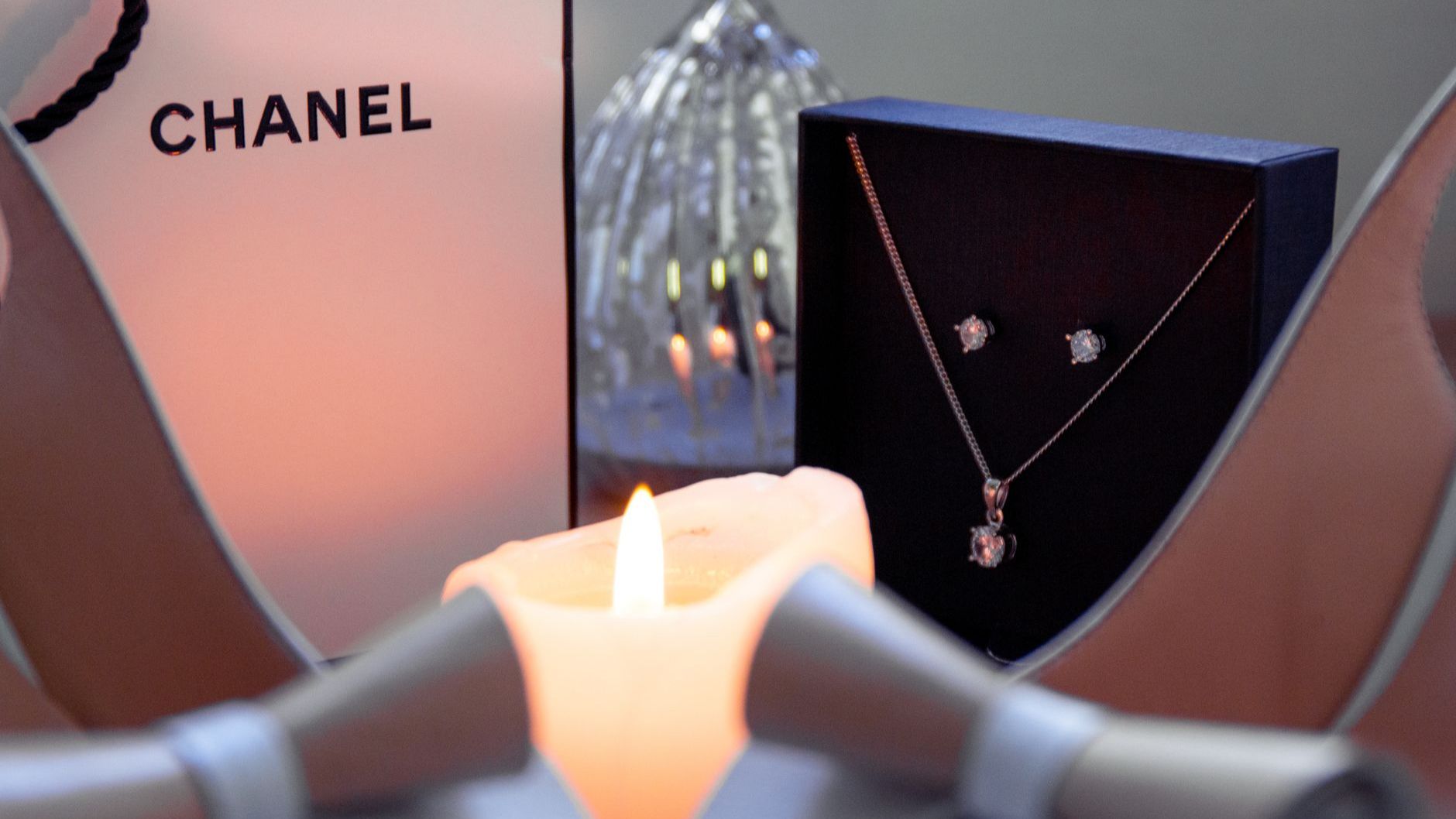
Show craftsmanship through images that let shoppers inspect the piece, watch how it’s made, and imagine wearing it. A macro photograph can reveal a setting’s edge or a gemstone’s surface; studio footage can show a jeweler shaping, setting, or polishing; lifestyle imagery adds scale and context. Each format answers a different buyer question, so don’t ask a single glossy campaign image to do all three jobs.
In Bazaarvoice’s 2024 Shopper Preference Report, 66% of U.S. consumers said they preferred discovering new products through social video, and 60% said they had purchased after seeing a product featured in social or influencer video. Those figures cover products broadly, not jewelry alone, but they make a practical case for pairing polished stills with close, useful video. Show the clasp moving, the stone catching light as the camera angle changes, or a maker’s hand finishing a detail.
“66% of U.S. consumers preferred discovering new products through social video.” — Bazaarvoice, 2024 Shopper Preference Report
Which visual details help buyers assess design, materials, and finish?
Give each piece a visual record that helps a shopper judge what they’re considering: a straight-on product view, a side profile, a close-up of the setting, a scale reference, and a short video in natural light. Pair those views with accurate product details—metal type, stone specifications, dimensions, care guidance, and customization options. A beautiful picture earns attention; precise information helps a serious buyer decide what to ask next.
Organize product descriptions around the language customers use to compare details. Clear material and design descriptions support semantic search, while accurate, consistent product information can help a page communicate its subject across search experiences. For an overview of those changing discovery surfaces, see the Google AI Overviews guide and our analysis of ChatGPT citations vs Google rankings. Supporting the site with AI-driven search visibility also means publishing accurate, useful product information—not treating a search tactic as a substitute for good merchandising. Related resources cover E-E-A-T signals, ChatGPT visibility optimization, and AI optimization services.
2. Turn Brand Heritage and Makers Into Emotional Stories
How can collection stories connect jewelry to milestones and personal identity?
Make a collection story specific enough to belong to your brand and open enough for a buyer to make it personal. Explain what inspired the design, who made it, what materials it uses, and which decisions shaped its final form. Then connect those facts to real occasions—an engagement, an anniversary, a family heirloom, or a personal achievement—without claiming every piece carries the same meaning for everyone.
History Factory and Certus Insights’ Heritage Gap Report found that 74% of U.S. adults surveyed were interested in social-media stories about a brand’s founding origin. Accenture’s Luxe Eternal report found that 60% of luxury customers surveyed said brand storytelling emotionally engages them. These findings point in the same direction: heritage can be more than a date on an About page when a brand connects its past to the making and meaning of a particular piece.
What can brands learn from the storytelling approaches of GemFind Digital Solutions and Jives Media?
GemFind Digital Solutions describes its work as jewelry-specific marketing and commerce support, connecting websites, product discovery, and customer journeys. Jives Media’s published jewelry work emphasizes a related principle: connect the brand’s visual presentation and product information to clear paths for inquiries and consultations. Their work is not a substitute for a jeweler’s own story; it illustrates why that story needs to remain recognizable from campaign creative to the page where a shopper asks a question.
ARKTOP’s positioning around luxury marketing adds another useful lens: channel execution should serve the brand’s identity rather than flatten it into generic luxury imagery. For any agency or in-house team, make the brief concrete. Specify the collection’s origin, the maker’s role, the material evidence, and the emotional territory the campaign may explore. Then check whether each asset tells the same story in its own format.
3. Build Authentic Influencer Partnerships Around Shared Values
How should jewelry brands assess creator-audience and aesthetic fit?
Choose creators by audience relevance, visual judgment, and credibility—not follower count alone. Review recent posts, comments, paid partnerships, and the way the creator discusses quality or personal style. Ask whether their audience is likely to care about your product category and whether they can represent the piece naturally without turning it into a prop.
IZEA’s Trust in Influencer Marketing 2024 reported that 51% of U.S. respondents had purchased a product after seeing an influencer use it. The Influencer Marketing Benchmark Report 2024 found that 69.2% of respondents rated alignment with brand values as extremely or very important when choosing influencers. These are broad marketing surveys rather than jewelry-specific evidence, but they support a simple selection rule: evaluate the creator’s fit before negotiating reach.
Which partnership formats preserve credibility and exclusivity?
Build partnerships around access and expertise. A creator might visit a workshop, interview a designer, explain how to style a piece, or document a private collection preview. Commission the work with a clear brief and disclosure terms, then leave room for the creator’s own voice. Over-scripted praise makes a personal recommendation sound like a product label.
- Craft profile: A short film follows a maker through one meaningful stage of production.
- Styling feature: The creator shows how a piece works across occasions, with details viewers can inspect.
- Private preview: A small, relevant audience gets an invitation to view a collection or request a consultation.
Use limited access because the experience is genuinely limited—not as a manufactured countdown. Agree in advance on usage rights, disclosure, deliverables, and how the brand will assess qualified inquiries. That keeps exclusivity rooted in service and access rather than artificial scarcity.
4. Use Instagram, TikTok, and Pinterest for Visual Discovery
How should content differ across each visual platform?
Give each platform a distinct editorial job, then adapt the same collection story rather than reposting identical creative everywhere. Bazaarvoice’s 2024 survey found that 52% of U.S. consumers preferred Instagram for seeing products and 54% preferred TikTok. Pinterest reported a record 553 million global monthly active users in Q4 2024, up 11% year over year. Those platform-specific audience measures describe different kinds of activity; they don’t prove that one channel will outperform another for a particular jeweler.
| Platform | Content role | Jewelry example |
|---|---|---|
| Polished discovery and brand expression | Editorial photography, Reels showing detail, and collection stories | |
| TikTok | Personality, process, and short demonstrations | A maker explains a setting choice or shows a piece in changing light |
| Visual planning and idea collection | Boards organized around wedding style, gifting, or design references |
Use the table as a starting point, not a platform rulebook. The right mix depends on your audience, content capacity, and the buying question you want a post to answer. Keep the brand’s visual standards consistent while letting the format change.
How can social content move shoppers from discovery to qualified inquiries?
Connect each post to a useful next step: view the full collection, inspect materials, ask about sizing, book a design consultation, or request a private appointment. Keep the landing page consistent with the post; if a video features a specific ring, send viewers to that ring or a clearly related collection, not a generic homepage.
Build a simple path and measure each handoff:
- Discovery: Record reach, saves, video completion, and meaningful profile visits.
- Consideration: Track product-page views, collection browsing, and repeat visits.
- Inquiry: Attribute appointment requests, calls, and consultation forms to the post or campaign where possible.
A large view count doesn’t tell you whether a serious buyer took the next step. Qualified inquiries and the conversations that follow do.
5. Make Exclusivity Relevant to HNWIs and Jewelry Buyer Segments
How can private access and bespoke experiences express luxury without overexposure?
Make exclusivity feel like attentive service, not a wall around the brand. Offer private appointments, early access to a relevant collection, bespoke design consultations, or care services matched to the customer’s purchase. High-net-worth individuals (HNWIs) are not a single audience with identical preferences, so use known customer interests and consented first-party information to personalize an invitation rather than assuming wealth predicts taste.
Keep personal outreach discreet. A named advisor, clear appointment options, and a thoughtful follow-up can make access feel considered; public-facing messaging should still explain what the experience includes. Accenture’s Luxe Eternal research describes luxury customers’ interest in quality, identity, and emotionally engaging experiences, reinforcing the value of treating service as part of the brand—not an afterthought to the product.
How should campaigns differ for engagement rings, gifting, fine jewelry, and collectors?
Segment campaigns by the decision customers are making. Engagement-ring shoppers may need education about design choices, fit, and consultation options. Gift buyers often need help with occasion, timing, presentation, and delivery. Fine-jewelry customers may want a closer look at materials and styling; collectors may prioritize design provenance, rarity, and direct access to expertise. These are campaign hypotheses to test against your own customer data, not fixed profiles.
| Buyer need | Useful content | Next step |
|---|---|---|
| Engagement | Design details, ring profiles, customization options | Book a design consultation |
| Gifting | Occasion-led edits, packaging, delivery information | Browse a curated gift collection |
| Fine jewelry | Material details, close-up imagery, styling ideas | Request product details or an appointment |
| Collectors | Designer context, provenance, limited releases | Arrange a private viewing |
Use separate creative and landing pages when the information needs differ. A single campaign that tries to speak to every buyer often leaves each one with unanswered questions.
6. Strengthen Trust and Loyalty Through Responsible, Connected Experiences
Strategy: Communicate ethical sourcing and sustainable practices with specific proof
Replace broad claims such as “ethical” or “eco-friendly” with a specific statement, its scope, and the documentation that supports it. The Federal Trade Commission’s Green Guides caution against broad, unqualified environmental benefit claims and call for clear qualifications and substantiation. The Responsible Jewellery Council’s Chain of Custody standard sets requirements for tracing specified precious metals through supply chains. A certification or supplier document should support the exact claim being made; it does not automatically prove every environmental or social benefit a customer might infer.
Build the proof into the product story: identify which material or production step the evidence covers, explain what the certification verifies, and state where the chain of custody begins and ends. If a claim applies only to a particular collection or supplier, say so. Specific limits make the statement more useful and less likely to overpromise.
7. Connect digital discovery, personalized service, and in-store experiences
Give the customer’s journey continuity across channels. A shopper who saves a piece, asks a question online, or books a visit should not have to start from zero with the next employee or channel. Bazaarvoice’s 2024 Shopper Preference Report found that 82% of consumers surveyed considered a seamless shopping experience across online, in-store, and mobile channels important. Accenture’s Luxe Eternal research likewise emphasizes connected interactions and personalized service in luxury.
Operationally, this means keeping product availability, appointment details, customer preferences, and follow-up notes accessible to the right staff under your privacy practices. Train associates to continue the conversation, not simply repeat a scripted pitch. When online discovery and in-store expertise reinforce each other, the brand feels coherent at the moment a buyer needs help.
How can brands measure qualified leads, conversions, customer lifetime value, and brand lift?
Use measures that reflect the full path to purchase. Pair channel activity with CRM or point-of-sale outcomes, and distinguish a casual inquiry from a request tied to a collection, budget, occasion, or appointment. For brand lift, compare awareness or consideration measures across a defined campaign audience and an appropriate baseline; don’t treat impressions as proof of changed perception.
- Qualified leads: Appointment requests, calls, and inquiries that meet your stated criteria.
- Conversions: Purchases and consultations attributed to a campaign, with attribution limits recorded.
- Customer lifetime value: Repeat purchases and service relationships over a defined period.
- Brand lift: Changes in awareness, consideration, or preference measured consistently before and after exposure.
Review the metrics together. A campaign that earns fewer clicks but more relevant appointments may be more useful than one with broad reach and little sales follow-through.
Luxury Jewelry Marketing Pitfalls to Avoid
When can trend-driven content, discounting, or mismatched creators weaken luxury positioning?
Trend-led content becomes a liability when the joke, sound, or visual format overwhelms the jewelry itself. Use a trend only when it fits the brand’s voice and gives the piece a meaningful context. Frequent discount messaging can also train customers to wait for a lower price; before promoting an offer, decide whether the goal is a short-term sale or a durable sense of value.
A creator mismatch is just as visible. If their audience, aesthetic, or public tone clashes with the piece and its intended buyer, reach won’t repair the fit. Check past partnerships and the creator’s own work, then agree on boundaries that protect brand codes while allowing credible expression.
How can brands avoid unsupported sustainability claims and fragmented customer journeys?
Keep an evidence file for every sourcing or environmental statement: claim wording, supporting supplier records, certification scope, dates, and the products covered. The FTC’s Green Guides warn against broad claims that lack clear qualification, while Responsible Jewellery Council standards describe specific traceability requirements for covered precious metals. If the available evidence supports only a narrow statement, publish the narrow statement.
Fragmented journeys need an equally practical fix: map the handoff from social post to product page, inquiry, appointment, and follow-up. Test the links, confirm that the landing page answers the promise made in the creative, and decide who owns each response. A beautiful campaign cannot compensate for a missing product detail or an unanswered consultation request.
Extend the Strategy With a Jewelry-Specific Measurement and Channel Plan
Turn these strategies into a quarterly plan built around one buyer segment, one collection or service priority, and a small set of measurable outcomes. Assign a channel role, creative format, landing destination, and follow-up owner to each campaign. Track what happens after discovery alongside what happens before it.
Use a working plan such as this:
- Choose the audience and decision: Specify who the campaign serves and what they need to decide.
- Match channel to content: Select the visual format and platform based on the audience’s likely discovery behavior.
- Prepare the destination: Check product facts, imagery, appointment options, and inquiry routing.
- Set measurement before launch: Define qualified inquiry, conversion, repeat purchase, and brand-lift measures.
- Review and adjust: Compare channel activity with sales and service outcomes, then revise the next campaign’s creative or handoff.
Keep a record of what you tested and what changed. Over time, that campaign history becomes a practical planning asset: it helps your team distinguish a channel that attracts attention from one that brings the right customer into a meaningful conversation. Otherwise we offer marketing for jewelers and luxury goods campaigns and influencer partnerships to get your brand trending.
Sign in to share. Facebook and LinkedIn need the article page to be publicly accessible to show its preview. If an AI cannot open the page, copy the article text from the section above.