
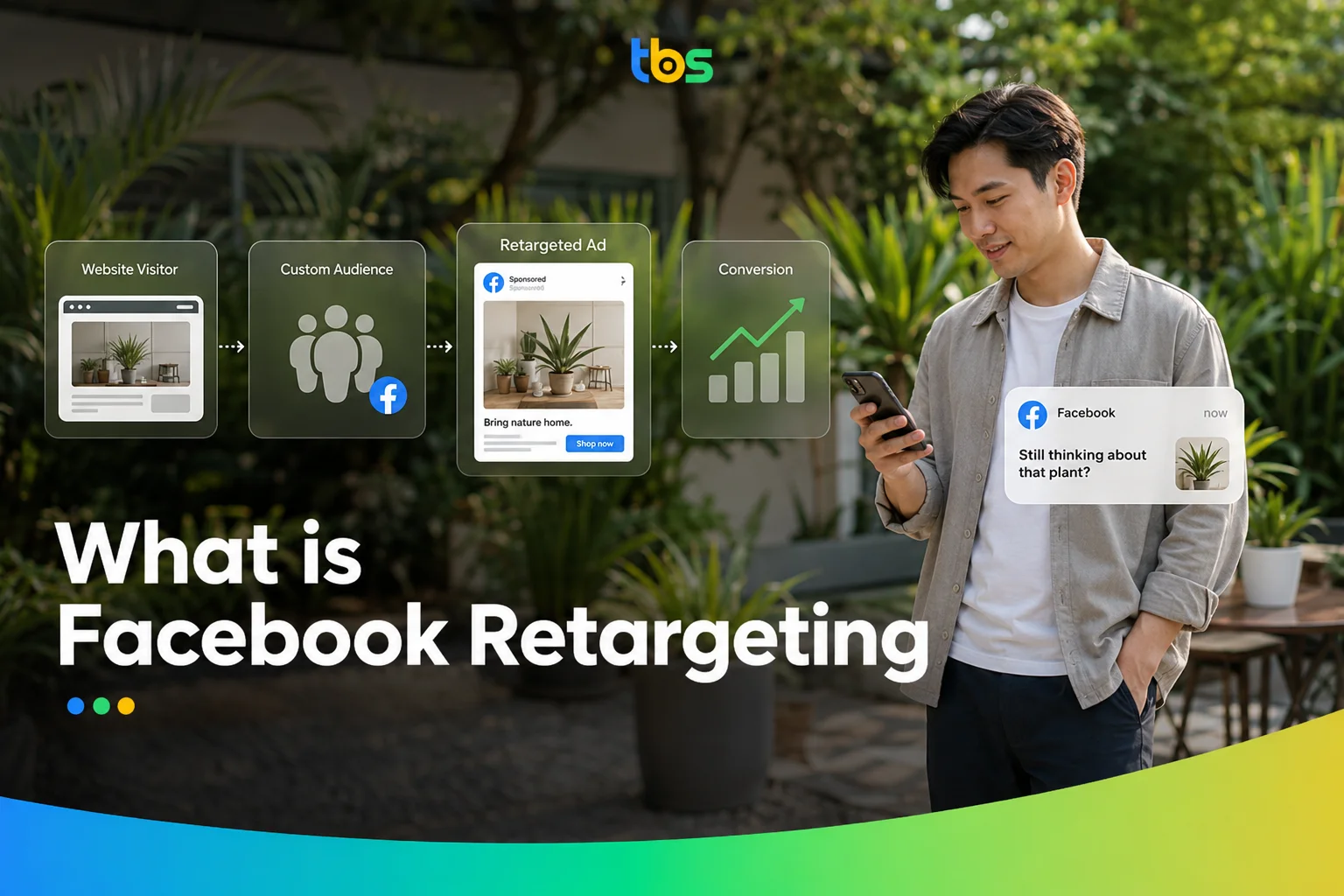
Facebook retargeting is a digital advertising strategy that allows businesses to re-engage users who have previously interacted with their website, app, or Facebook page but did not complete a desired action, such as making a purchase or signing up for a newsletter. By using Facebook Pixel or Custom Audiences, advertisers can serve tailored ads to these users, increasing the likelihood of conversions.
In this article, we will explore:
- How Facebook Retargeting Works
- Benefits of Facebook Retargeting
- Best Practices for an Effective Retargeting Campaign
- Common Mistakes to Avoid
How Does Facebook Retargeting Work?
Facebook retargeting leverages Facebook Pixel, a small piece of code placed on a website that tracks user activity and sends data back to Facebook. When a visitor interacts with a website but does not complete a conversion, the Pixel triggers the ability to serve relevant ads to that visitor when they browse Facebook, Instagram, or partner sites.
Key Components of Facebook Retargeting
- Facebook Pixel – A tracking code that collects visitor data.
- Custom Audiences – A targeted audience segment based on website visitors, customer lists, or engagement.
- Dynamic Ads – Automated ads that display specific products based on user behavior.
- Lookalike Audiences – A broader targeting strategy that finds new users similar to those in retargeting campaigns.
By implementing retargeting, advertisers can strategically remind potential customers of their previous interest in a product or service, ultimately increasing conversion rates.
Benefits of Facebook Retargeting
Facebook retargeting is a powerful tool for digital marketers because it enhances brand visibility and improves advertising efficiency. Here are some of its key advantages:
1. Higher Conversion Rates
Since retargeting focuses on users who have already shown interest, these campaigns tend to have higher conversion rates compared to traditional Facebook ads targeting cold audiences.
2. Cost-Effective Advertising
Facebook retargeting often yields a lower cost per acquisition (CPA) because it targets warm leads, reducing wasted ad spend.
3. Increased Brand Awareness
Even if users do not convert immediately, repeated exposure to a brand through retargeting increases the likelihood of future engagement and purchases.
4. Personalized Ad Experiences
Retargeting enables advertisers to serve personalized ads based on user behavior, such as abandoned carts, recently viewed products, or past interactions.
5. Reduced Cart Abandonment
For eCommerce businesses, retargeting helps recover lost sales by reminding users of their abandoned carts and offering incentives like discounts or free shipping.
Best Practices for an Effective Facebook Retargeting Campaign
To maximize the impact of Facebook retargeting, businesses should follow these best practices:
1. Segment Your Audiences
Instead of retargeting all visitors with the same message, segment your audience based on behavior, such as:
- Cart Abandoners – Show dynamic ads with the exact products left in their cart.
- Product Viewers – Serve ads highlighting the benefits of the products they browsed.
- Engaged Users – Target people who interacted with your social media content but haven’t visited your website.
2. Use Dynamic Ads
Dynamic Ads automatically adjust based on a user’s browsing history, ensuring a highly relevant ad experience. For example, an online store can display ads featuring products a user previously viewed.
3. Set Frequency Caps
Avoid bombarding users with too many ads. Facebook allows advertisers to limit ad frequency to prevent ad fatigue, ensuring users don’t get annoyed.
4. Offer Incentives or Discounts
For users who abandoned their carts, providing an exclusive discount code or free shipping can encourage them to complete their purchase.
5. Optimize for Mobile Users
Since a large portion of Facebook users browse on mobile devices, ensure that landing pages are mobile-friendly for seamless conversions.
6. Experiment with Different Ad Formats
Facebook offers various ad formats that can improve engagement, such as:
- Carousel Ads – Showcase multiple products at once.
- Video Ads – Create engaging, short videos to capture attention.
- Collection Ads – Provide a seamless shopping experience within the Facebook app.
7. Monitor and Adjust Campaigns
Use Facebook Ads Manager to track click-through rates (CTR), conversion rates, and return on ad spend (ROAS). Adjust campaigns based on performance metrics.
Common Mistakes to Avoid in Facebook Retargeting
Despite its effectiveness, many advertisers make mistakes that limit the success of their retargeting campaigns. Here are some common pitfalls to avoid:
1. Retargeting Too Soon or Too Late
- If you retarget users immediately after they visit a page, they may not be ready to purchase.
- Waiting too long may cause them to lose interest or choose a competitor.
2. Not Excluding Converted Customers
Failing to exclude users who have already made a purchase leads to wasted ad spend and can frustrate customers.
3. Using Generic Ads
Generic ads that do not match the user’s previous interactions can feel irrelevant and result in low engagement.
4. Overwhelming Users with Ads
Showing the same ad too frequently can lead to ad fatigue, causing users to ignore your brand.
5. Ignoring Performance Data
Not tracking key performance indicators (KPIs) like cost per conversion and engagement rate can lead to inefficient ad spending.
Conclusion
Facebook retargeting is a highly effective digital marketing strategy that allows businesses to re-engage potential customers who have previously interacted with their brand. By leveraging Facebook Pixel, Custom Audiences, and Dynamic Ads, advertisers can create personalized and cost-effective campaigns that drive higher conversion rates.
Key Takeaways:
✔ Facebook retargeting focuses on users who have previously engaged with your brand.
✔ It helps increase conversions, reduce ad spend, and improve brand awareness.
✔ Best practices include audience segmentation, dynamic ads, and frequency capping.
✔ Avoid common mistakes like retargeting too soon, overloading users with ads, or using generic messaging.
By following these guidelines, businesses can unlock the full potential of Facebook retargeting and achieve higher ROI from their advertising efforts.
